Train For The Truck
Look at condition, intended use, and safety implications
Toyota Forklift Restoration matters because small gaps in training decisions often turn into bigger compliance problems, preventable incidents, or weak documentation later. Our editorial approach keeps toyota forklift restoration grounded in what employers, trainers, and operators need to understand before they act.
Rather than repeating vague advice, we focus on how this topic shows up in day-to-day operations, what teams should watch for, and where related training resources can support the next step.
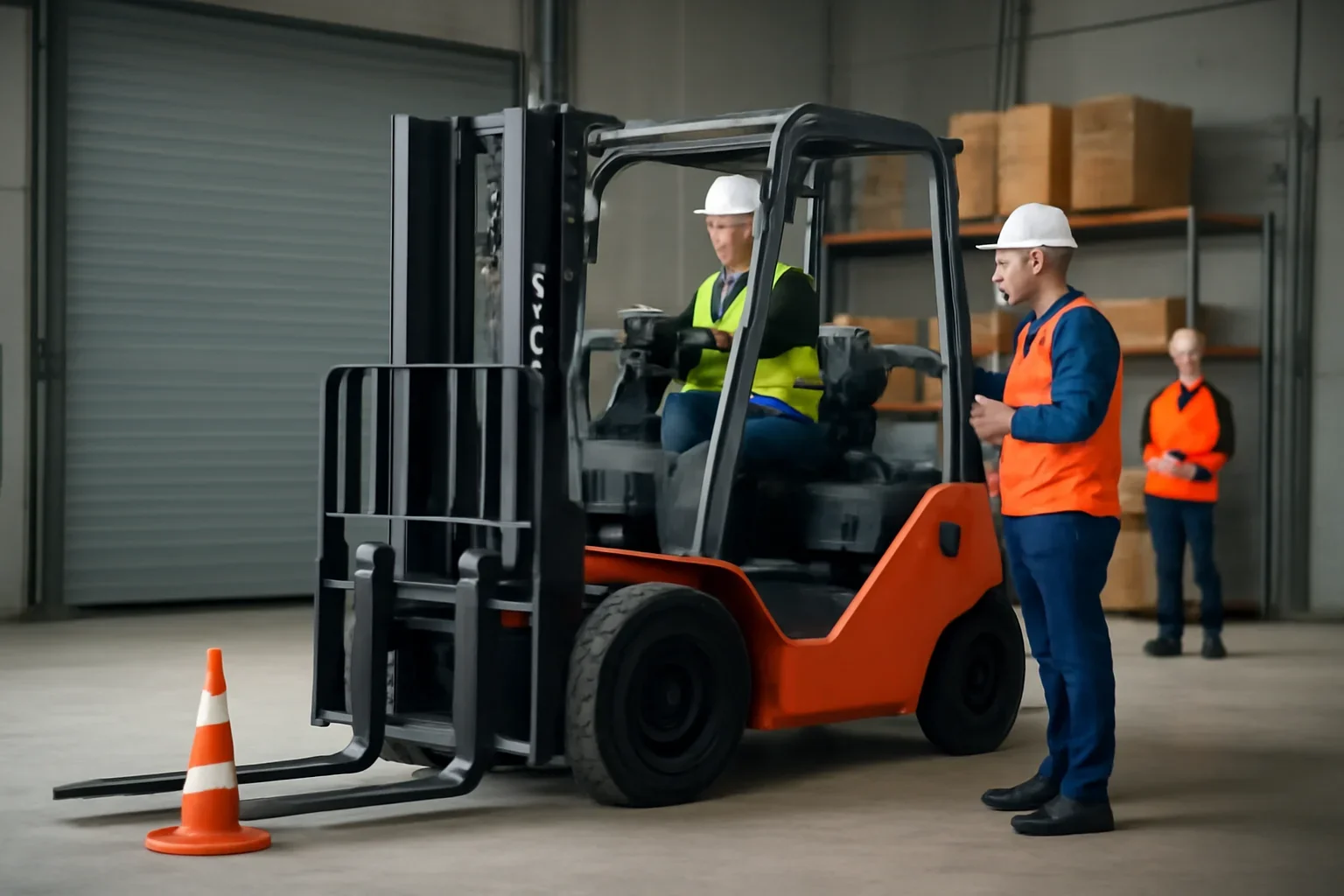
Toyota Forklift Restoration depends on how the truck is configured, where it is used, and what the operator is expected to handle. A solid training approach keeps the discussion tied to stability, visibility, travel patterns, attachment use, and the exact tasks that can expose weak habits quickly.
The most useful way to approach toyota forklift restoration is to connect the topic to real decisions on the floor. That could mean checking whether operators understand a concept before evaluation, tightening inspection routines, refreshing how supervisors coach unsafe habits, or making records easier to pull when questions come up.
Where teams usually lose momentum with toyota forklift restoration is in the handoff between instruction and execution. Theory gets completed, but the evaluation is delayed. A checklist exists, but no one owns updates. Records are stored, but retrieving them takes too long. Tightening those weak points often does more for consistency than adding more material. Common search phrases around this topic include restore a toyota forklift, toyota forklift rebuild.
Look at condition, intended use, and safety implications
Separate restoration interest from operator readiness
Document inspections and changes before putting equipment back into work

Toyota Forklift Restoration works best when the next action is clear. Gather the truck types involved, the number of operators or sites affected, the records you need to maintain, and any timing pressure around onboarding or refreshers.
Teams researching toyota forklift restoration often move next to our blog archive, forklift training hub, and forklift certification hub so the policy, training, and recordkeeping pieces stay connected.
Clear answers are often the difference between a training process that keeps moving and one that stalls when schedules, supervisors, or operating conditions change.
Treating the topic as a one-time checkbox instead of part of the larger training process. Most gaps show up when instruction, supervision, and documentation are disconnected.
Online training can make theory easier to scale, but it still needs practical evaluation and site-specific follow-through.
Keep completion details, evaluator notes, dates, truck or task scope, and any refresher follow-up in a format supervisors can actually retrieve.