Reflect Real Conditions
Train around real loads, surfaces, and traffic flow
We provide practical guidance on food & beverage for employers, trainers, and operators who need clear direction. Our focus stays on usable training structure, stronger documentation habits, and safer day-to-day operation instead of generic filler.
Food & Beverage needs to reflect the pace, traffic patterns, loads, and operating conditions that shape the work in that environment.
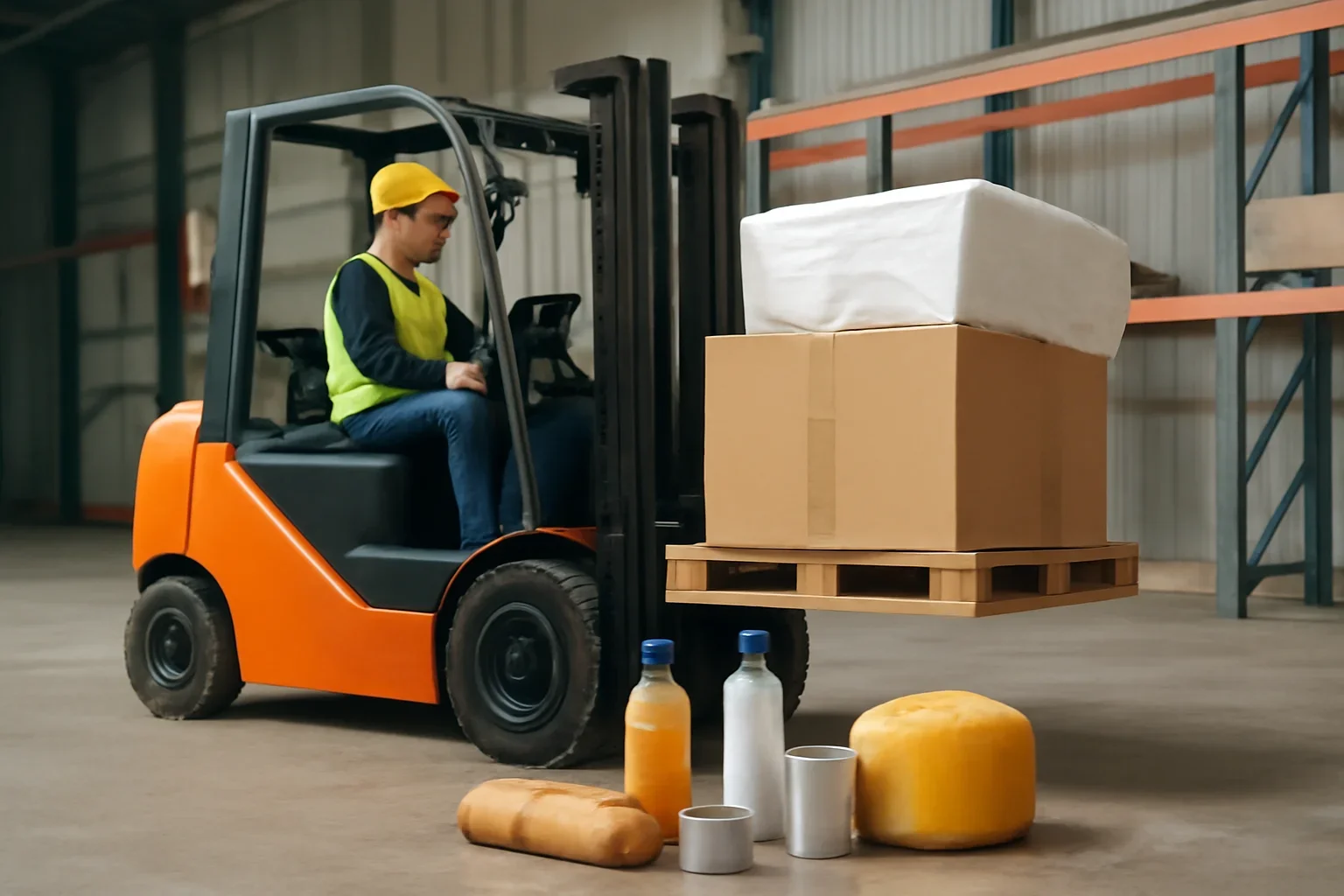
Food & Beverage should reflect the reality of the environment, not just a generic checklist. Material flow, floor conditions, aisle width, pedestrian traffic, shift pressure, storage methods, and load characteristics all affect what operators need to practice and what supervisors need to reinforce.
In food & beverage, training becomes more effective when site leaders map out the real operating conditions first. That means looking at load types, travel routes, surfaces, visibility, staging pressure, pedestrian activity, and the points where operators change trucks or tasks during a shift. Once those details are clear, theory, coaching, and evaluation can be built around the work people actually do.

Where teams usually lose momentum with food & beverage is in the handoff between instruction and execution. Theory gets completed, but the evaluation is delayed. A checklist exists, but no one owns updates. Records are stored, but retrieving them takes too long. Tightening those weak points often does more for consistency than adding more material. Common search phrases around this topic include cold storage forklift training, food beverage forklift certification.
Train around real loads, surfaces, and traffic flow
Adjust examples and evaluation to the operating environment
Support supervisors with clear expectations and records

Food & Beverage works best when the next action is clear. Gather the truck types involved, the number of operators or sites affected, the records you need to maintain, and any timing pressure around onboarding or refreshers.
Teams researching food & beverage often move next to our industry pages, solutions/employers, and contact page so the policy, training, and recordkeeping pieces stay connected.
Clear answers are often the difference between a training process that keeps moving and one that stalls when schedules, supervisors, or operating conditions change.
Employers, safety leaders, trainers, and operators who need practical direction they can apply without overcomplicating the workflow.
Use it as part of a complete process that includes instruction, evaluation, supervisor follow-through, and organized records.
Review the operating environment, confirm the equipment and people involved, and align the training plan with the records you need to maintain.