Catch Issues Early
Catch obvious defects before the shift starts
We provide practical guidance on forklift inspection checklist for employers, trainers, and operators who need clear direction. Our focus stays on usable training structure, stronger documentation habits, and safer day-to-day operation instead of generic filler.
This resource is built for teams that need answers they can apply quickly, especially when forklift inspection checklist comes up in audits, onboarding, refreshers, or daily operations.

Forklift Inspection Checklist works best when it stays short enough to be used before every shift and specific enough to catch the issues that create risk later. Tires, forks, mast condition, hydraulic leaks, warning devices, seat belts, battery or fuel concerns, and any visible damage all need a place in the routine so the operator and supervisor are speaking the same language.
A dependable approach to forklift inspection checklist starts with the actual work environment, the truck types involved, and the people responsible for follow-through. Once those are defined, it becomes much easier to choose the right training format, set evaluation expectations, and keep documentation organized instead of reactive.
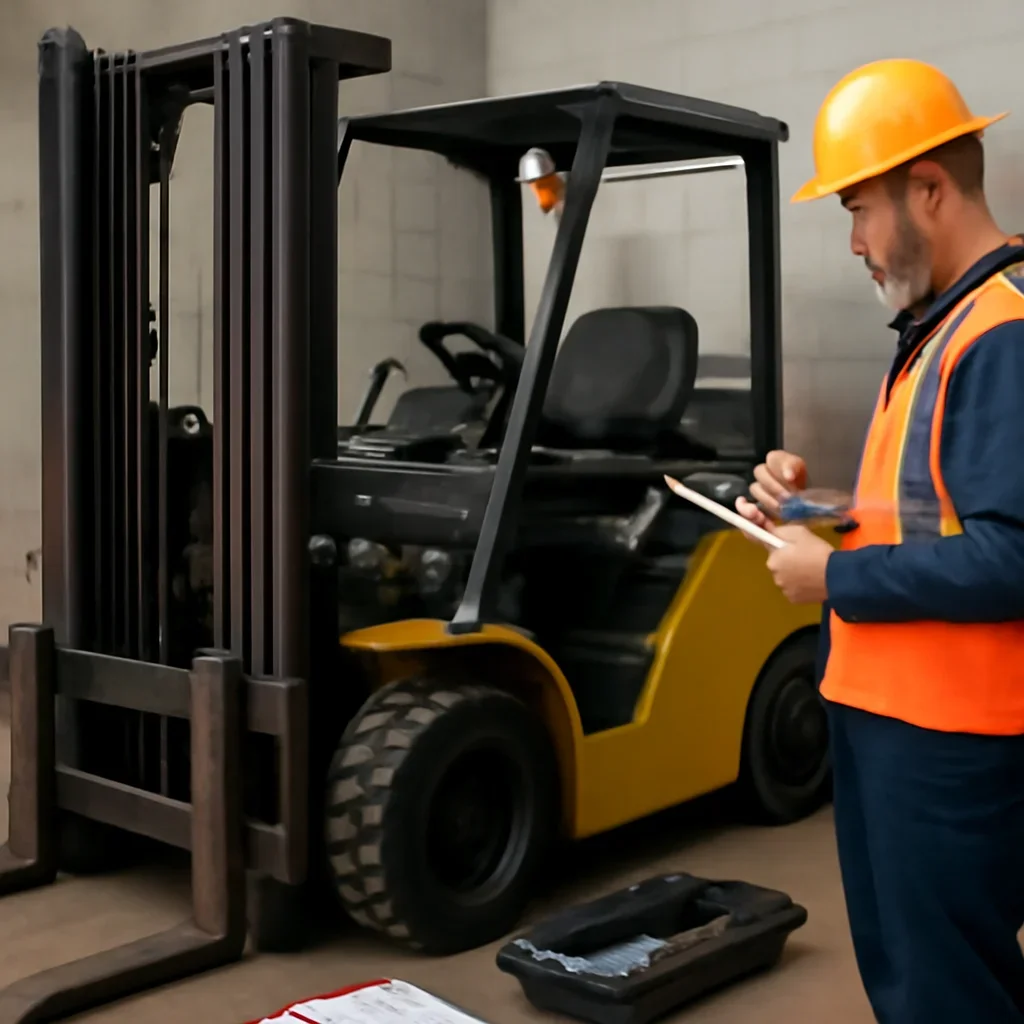
Where teams usually lose momentum with forklift inspection checklist is in the handoff between instruction and execution. Theory gets completed, but the evaluation is delayed. A checklist exists, but no one owns updates. Records are stored, but retrieving them takes too long. Tightening those weak points often does more for consistency than adding more material. Common search phrases around this topic include daily forklift inspection checklist, forklift pre operation checklist.
Catch obvious defects before the shift starts
Make reporting consistent across operators and supervisors
Create a record trail that is easy to review later

Forklift Inspection Checklist works best when the next action is clear. Gather the truck types involved, the number of operators or sites affected, the records you need to maintain, and any timing pressure around onboarding or refreshers.
Teams researching forklift inspection checklist often move next to our forklift safety resources, safety topics guide, and support center so the policy, training, and recordkeeping pieces stay connected.
Clear answers are often the difference between a training process that keeps moving and one that stalls when schedules, supervisors, or operating conditions change.
Operators, supervisors, and anyone responsible for shift readiness or equipment oversight should all be aligned on the same inspection expectations.
Detailed enough to catch meaningful defects, but simple enough to be used consistently before work begins.
The issue should be reported clearly, the truck should be handled according to site policy, and the follow-up should be documented.